
Why OpenAI’s copyright plan will impact you more than you think
OpenAI is inconsistent in a lot of things — is it a non-profit or a for-profit? Is Sam Altman fit to be CEO or not? But one thing the company has alwa
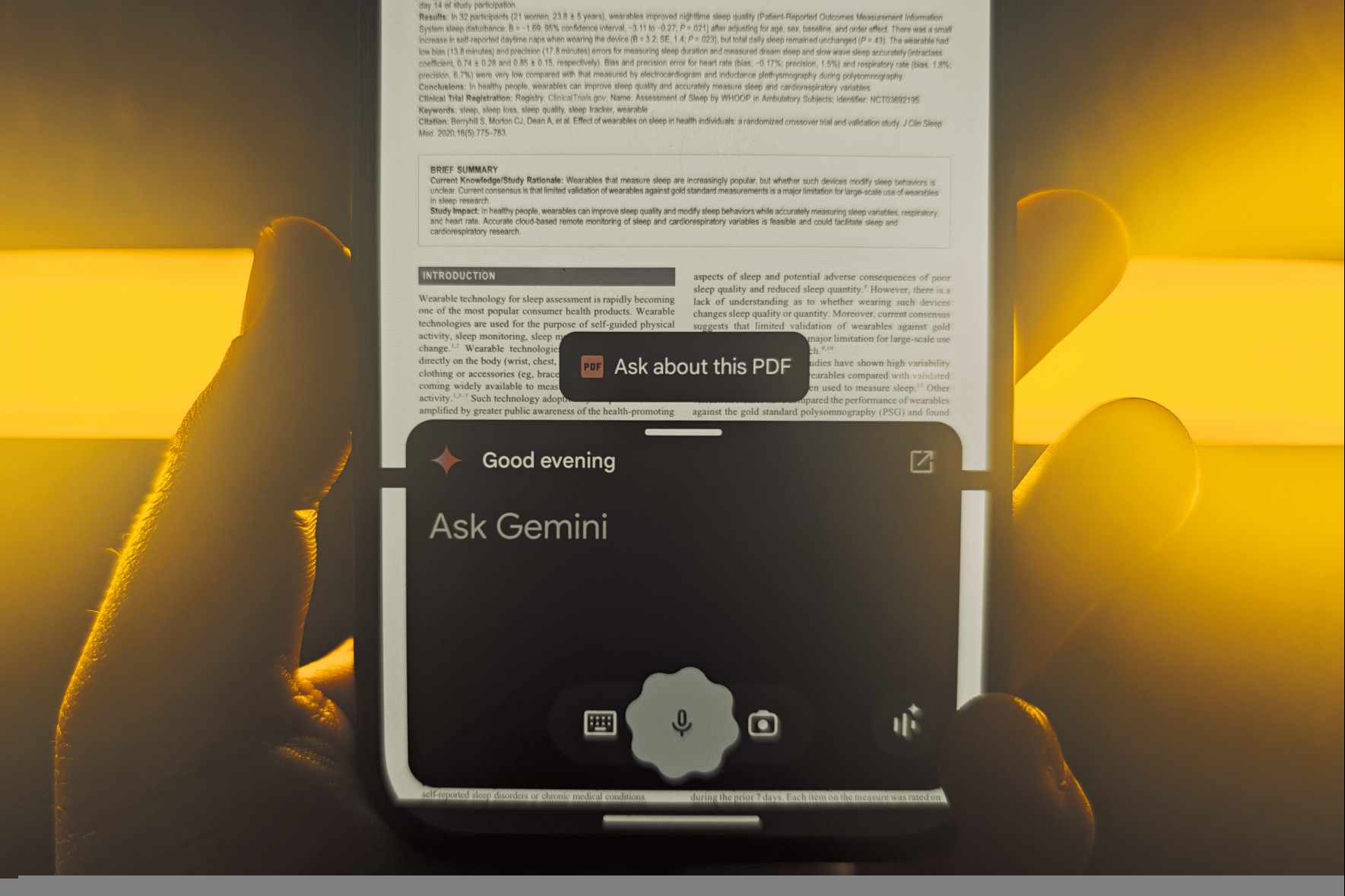
On February 4, Google updated its “AI principles,” a document detailing how the company would and wouldn’t use artificial intelligence in its products and services. The old version was split into two sections: “Objectives for AI applications” and “AI applications we will not pursue,” and it explicitly promised not to develop AI weapons or surveillance tools.
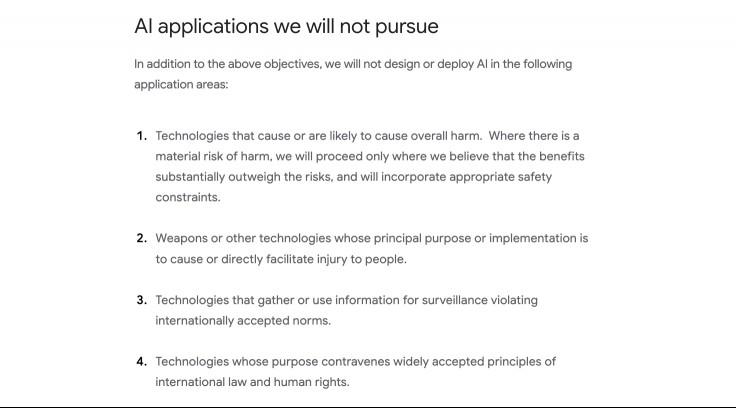
The update was first noticed by The Washington Post, and the most glaring difference is the complete disappearance of any “AI applications we will not pursue” section. In fact, the language of the document now focuses solely on “what Google will do,” with no promises at all about “what Google won’t do.”
Why is this significant? Well, if you say you won’t pursue AI weapons, then you can’t pursue AI weapons. It’s pretty cut and dry. However, if you say you will employ “rigorous design, testing, monitoring, and safeguards to mitigate unintended or harmful outcomes and avoid unfair bias,” then you can pursue whatever you want and just argue that you employed rigorous safeguards.
Similarly, when Google says it will implement “appropriate human oversight,” there’s no way for us to know what that means. Google is the one who decides exactly what appropriate human oversight is. This is a problem because it means the company isn’t actually making any promises or giving us any solid information. It’s just opening things up so it can move around more freely — while still trying to give the impression of social responsibility.
Google’s involvement in the U.S. Department of Defense’s Project Maven in 2017 and 2018 is what led to the original AI principles document. Thousands of its employees protested the military project, and in response, Google did not renew the agreement and promised to stop pursuing AI weapons.
However, fast-forward a few years and most of Google’s competitors are engaging in these kinds of projects, with Meta, OpenAI, and Amazon all allowing some military use of their AI tech. With the increased flexibility of its updated AI principles, Google is effectively free to get back in the game and make some military money. It will be interesting to see if Google’s employees will have anything to say about this in the near future.

OpenAI is inconsistent in a lot of things — is it a non-profit or a for-profit? Is Sam Altman fit to be CEO or not? But one thing the company has alwa
Update: Google has responded to Digital Trends’ queries. The story has been updated with company’s statement below.The rise of generative AI has been
OpenAI has released its latest model, o1-pro, an updated version of its reasoning model o1 — but it’s not going to come cheap.“It uses more compute th
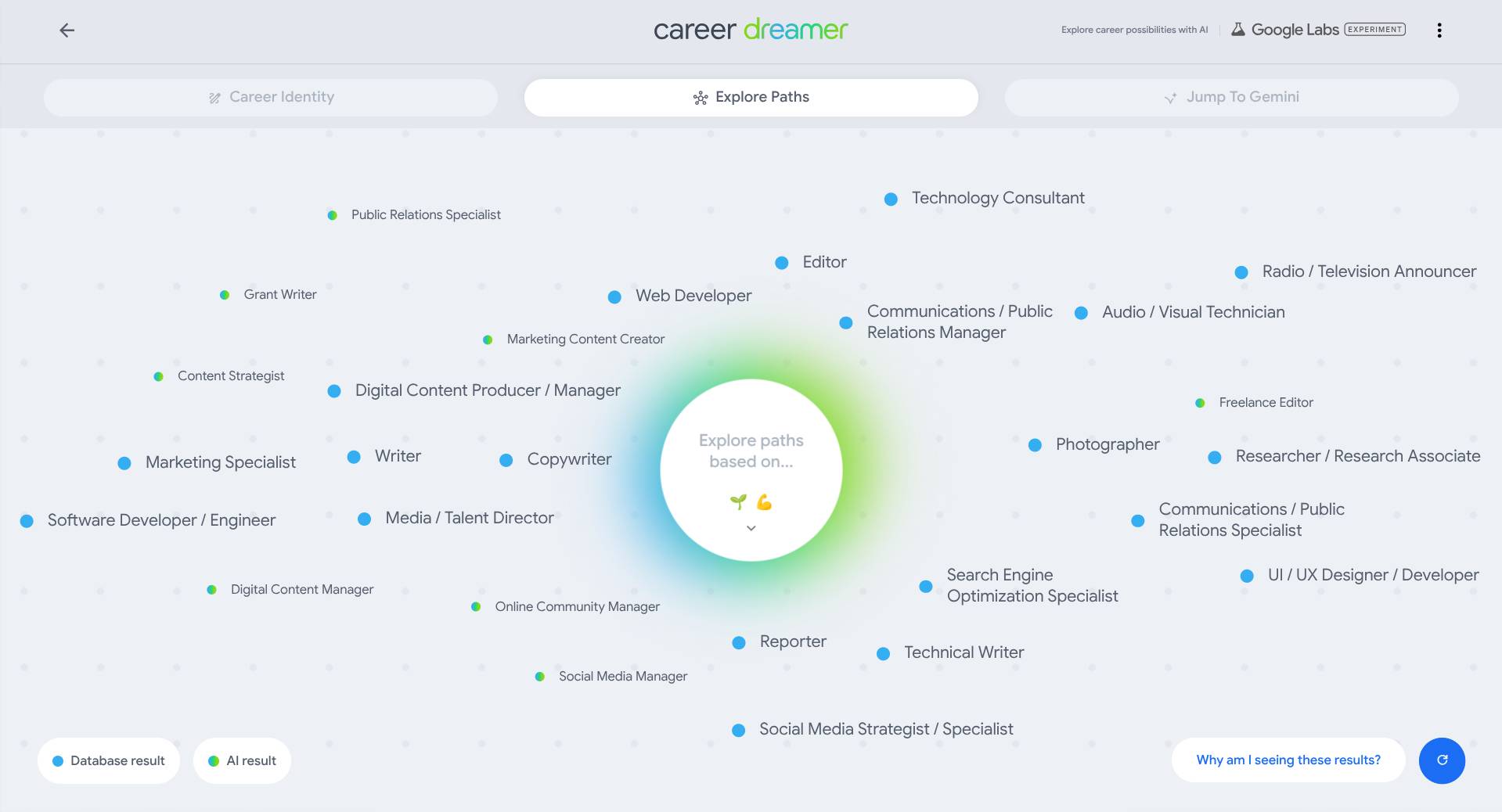
Andrew Tarantola / Google LabsGot a degree and no idea what to do with it? Google’s newest AI feature can help. The company announced on Wednesday the

Meta wants a piece of the pie — a big piece — when it comes to generative AI. As part of its long-term strategy to embed itself in every part of our l
OpenAI released its Sora text-to-video generation tool late in 2024, and expanded it to the European market at the end of February this year. It seems
OpenAI has unveiled a rebrand that brings changes to its logo, typeface, and color palette. It is the company’s first rebrand since it became notable
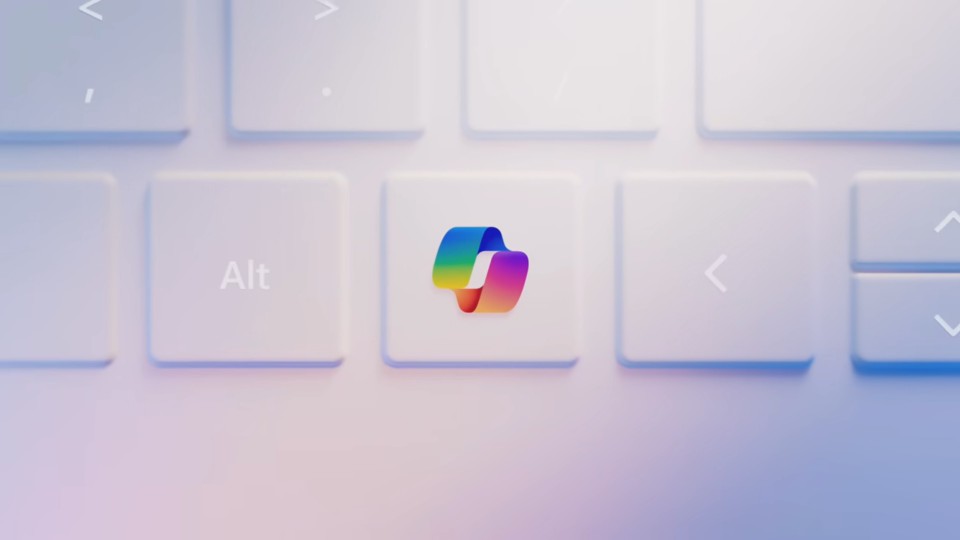
After backlash over removing the Menu key, Microsoft is possibly bringing it back in a later build—partially—to Windows keyboards, restoring some of i
We are a comprehensive and trusted information platform dedicated to delivering high-quality content across a wide range of topics, including society, technology, business, health, culture, and entertainment.
From breaking news to in-depth reports, we adhere to the principles of accuracy and diverse perspectives, helping readers find clarity and reliability in today’s fast-paced information landscape.
Our goal is to be a dependable source of knowledge for every reader—making information not only accessible but truly trustworthy. Looking ahead, we will continue to enhance our content and services, connecting the world and delivering value.